 By
By 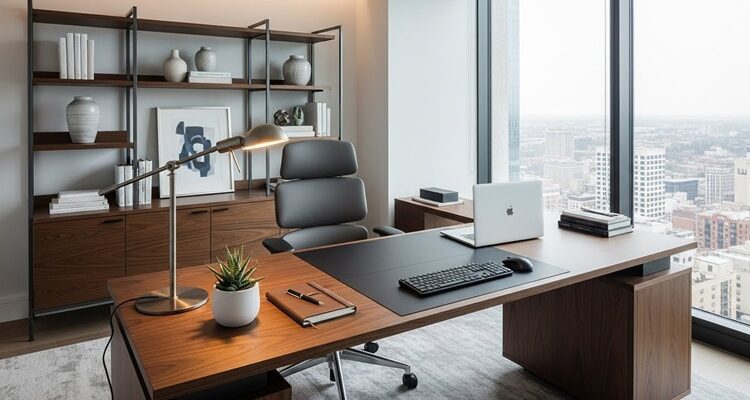
Flexible workspaces are often presented as the default solution for modern businesses, yet flexibility is not always the same as suitability. As teams grow, workflows mature, and client interaction increases, the needs of a business can change quietly but significantly. This is why many companies begin reassessing private office space for rent in Bangkok once the advantages of shared environments start to plateau.
The shift towards a private office is rarely about prestige. It is usually about control, consistency, and the ability to operate without friction.
Table of Contents
When Flexibility Starts Creating Friction
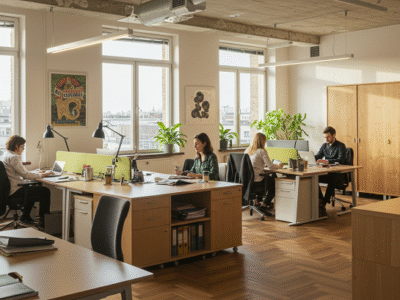
Shared workspaces excel at convenience, but that convenience can introduce subtle inefficiencies over time. Noise levels, changing neighbours, limited control over layout, and unpredictable availability of meeting rooms all add small interruptions to the working day.
Individually, these issues may seem minor. Collectively, they can slow decision-making and increase cognitive load, particularly for teams handling confidential work, complex collaboration, or frequent client interaction.
Privacy as an Operational Requirement, Not a Luxury
As businesses mature, privacy becomes functional rather than optional. Discussions around strategy, finance, legal matters, or client negotiations benefit from a space where conversations are contained and interruptions are minimal.
Private offices allow teams to speak freely, leave work in progress visible, and maintain continuity across days without resetting the environment. This stability supports deeper focus and more efficient collaboration.
Control Over Space Shapes How Teams Work
Physical space influences behaviour. In shared environments, teams adapt themselves to the space. In private offices, the space adapts to the team.
Control over layout, storage, seating, and workflow allows businesses to design environments that match how they actually operate. Whether that means collaborative zones, quiet focus areas, or dedicated client-facing spaces, the ability to configure space supports productivity in ways generic setups cannot.
Consistency Supports Professional Identity
For client-facing businesses, environment plays a role in credibility. Meeting in the same private space reinforces continuity and professionalism, particularly when relationships are long-term rather than transactional.
Consistency also affects internal culture. Teams develop routines, shared ownership of the space, and a stronger sense of identity when the office feels like a fixed base rather than a temporary arrangement.
Scaling Without Relearning the Workspace
One overlooked benefit of private offices is how they support growth without disruption. Adding staff, equipment, or new processes is easier when the workspace does not need to be renegotiated constantly.
Rather than adapting to availability, teams can expand within a familiar environment. This reduces onboarding friction and allows growth to feel incremental rather than disruptive.
The Middle Ground Between Traditional and Flexible Offices
Modern private office offerings often combine the benefits of autonomy with the convenience of managed services. Businesses gain control over their environment without taking on the full operational burden of a traditional lease.
This hybrid model suits organisations that have outgrown hot-desking but are not seeking long-term rigidity. It allows teams to settle without locking themselves into structures that may no longer fit in future years.
Choosing Based on How Work Actually Happens
The decision to move into a private office is rarely driven by headcount alone. It is driven by how work is done, how often teams collaborate, and how important control and privacy have become to daily operations.
When flexibility begins to feel limiting rather than freeing, it is often a signal that the business has evolved. A private office does not remove flexibility, it restores balance by aligning the workspace with the reality of how the organisation now works.
In that sense, choosing a private office is less about changing direction and more about recognising progress.










Comments